Cheam village upholstery cleaning insider tips: what local homeowners really need to know
If you live in Cheam village, you already know how quickly sofas, dining chairs, and favourite armchairs can start to look tired. A bit of traffic from school runs, muddy shoes by the hallway, the odd coffee spill, pet hair that seems to multiply overnight - it all adds up. These Cheam village upholstery cleaning insider tips are here to help you keep fabric furniture cleaner for longer, avoid costly mistakes, and make better decisions when you do bring in a professional.
Truth be told, upholstery is one of those things people tend to ignore until a stain becomes impossible to miss. But the small habits matter. The right vacuuming routine, the right reaction to a spill, and the right cleaning method for your fabric can make a surprising difference. In this guide, you'll get practical, local-minded advice you can actually use, not just vague "keep it clean" nonsense. We'll cover what upholstery cleaning does, how it works, what to watch out for, and how to tell when a deeper clean is the sensible next step.
Expert summary: The biggest insider tip is simple: match the cleaning method to the fabric, act fast on spills, and never over-wet upholstery. That one rule saves a lot of headaches.
Table of Contents
- Why Cheam village upholstery cleaning insider tips Matters
- How Cheam village upholstery cleaning insider tips Works
- Key Benefits and Practical Advantages
- Who This Is For and When It Makes Sense
- Step-by-Step Guidance
- Expert Tips for Better Results
- Common Mistakes to Avoid
- Tools, Resources and Recommendations
- Law, Compliance, Standards, or Best Practice
- Options, Methods, or Comparison Table
- Case Study or Real-World Example
- Practical Checklist
- Conclusion
- Frequently Asked Questions
Why Cheam village upholstery cleaning insider tips Matters
Upholstery takes more daily punishment than most people realise. Unlike a carpet, a sofa or chair absorbs body oils, crumbs, drink splashes, dust, pet dander, and the occasional mystery mark nobody wants to claim. In a busy household, that means build-up happens quietly, then all at once it feels like the room has lost its freshness.
Insider tips matter because upholstery is not one-size-fits-all. A cotton blend behaves differently from velvet, and a synthetic fabric is usually more forgiving than delicate natural fibres. Use the wrong product and you can end up with water rings, colour bleed, rough patches, or flattened pile that never quite bounces back. Not ideal, obviously.
In Cheam village homes, where people often want their living spaces to feel smart but still lived-in, a little know-how goes a long way. You can preserve the look of a room, extend the life of the furniture, and reduce the need for aggressive cleaning later. And if you are planning to book a specialist, understanding the basics helps you ask better questions and compare options more confidently.
If you want a broader service overview before diving in, the main upholstery cleaning service page is a sensible starting point, especially if you are deciding between DIY upkeep and a professional deep clean.
How Cheam village upholstery cleaning insider tips Works
At its core, upholstery cleaning works by removing soil from fibres without damaging the fabric structure or the backing underneath. That sounds simple, but the method changes depending on the material, the construction, and the type of dirt. Loose debris comes off first. Then the cleaner tackles embedded grime, spots, and odours using a suitable process.
Most effective cleaning follows a few stages:
- Inspection: Identify the fabric type, worn areas, loose seams, and existing stains.
- Pre-vacuuming: Lift dry dirt, crumbs, and hair before any moisture is introduced.
- Spot testing: Check how the fabric reacts to a cleaning product in a discreet area.
- Pre-treatment: Apply a suitable solution to stains or traffic marks.
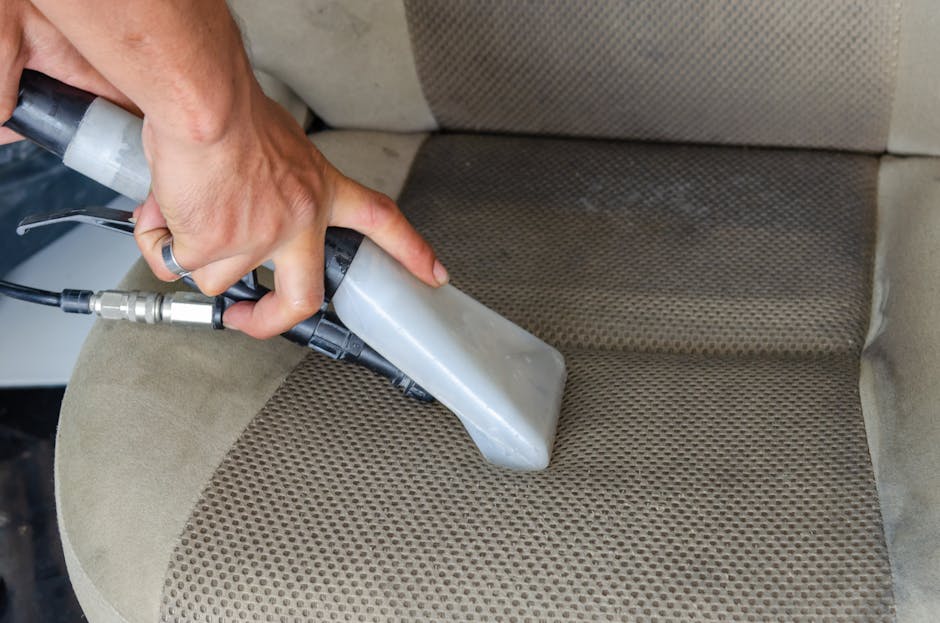
- Cleaning: Use the right method, often low-moisture extraction or carefully controlled steam-based cleaning where appropriate.
- Rinse and extraction: Remove residues so the fabric does not feel sticky or attract dirt again.
- Drying: Encourage airflow and avoid heavy use until fully dry.
That process may sound technical, but the logic is straightforward. Good cleaning removes the dirt; good judgement protects the fabric. The trick is balancing both.
Sometimes people think "steam" means very wet, very hot, and very powerful. In reality, modern fabric care is more controlled than that. For some furniture, a gentler low-moisture approach is safer than soaking the fibres. For others, a deeper flush is appropriate. The best results come from understanding the difference, not just reaching for the strongest option.
Key Benefits and Practical Advantages
Clean upholstery does more than look nice. It changes how a room feels. You notice it when you sit down and there is no stale smell, no sticky patch, no visible halo around the armrest. Small thing, big difference.
- Better appearance: Fabric looks brighter, more even, and less flattened by everyday grime.
- Improved freshness: Odours from spills, pets, and general use are reduced.
- Longer furniture life: Dirt is abrasive, so removing it helps reduce fibre wear.
- More comfortable living spaces: Clean upholstery simply feels more pleasant to use.
- Less risk of permanent staining: Early treatment often stops a mark from setting.
- Better value from professional visits: A well-prepared job is usually more effective and less disruptive.
There is also a practical side that people forget. Regular upkeep can help you postpone replacement. A sofa does not usually "wear out" in one dramatic moment. It slowly loses colour, texture, and support. Cleaning will not fix structural damage, of course, but it can keep the fabric portion of the furniture in far better condition.
If a sofa is your main seating area, it is often worth comparing with dedicated sofa cleaning advice because sofas tend to show wear sooner than occasional-use chairs. Different furniture, different pressures.
Who This Is For and When It Makes Sense
These tips are useful for anyone with fabric furniture, but they are especially helpful if you fall into one of these groups:
- Families with children who treat the sofa like a second dining table.
- Pet owners dealing with fur, odour, or the occasional accident.
- People with light-coloured upholstery that shows every mark.
- Landlords or tenants preparing a property for inspection.
- Older homeowners who want to protect quality furniture for longer.
- Anyone buying a used sofa or chair and wanting a proper refresh.
It also makes sense if you notice one of these signs:
- The fabric looks dull even after vacuuming.
- Armrests or seat cushions feel greasy to the touch.
- A room still smells "a bit off" after regular cleaning.
- Spots keep reappearing because residue was left behind.
- You have mixed fabrics and are not sure what can be cleaned safely.
And yes, if you are staring at a stain and wondering whether you've already made it worse by blotting, you are not alone. Most people have. It happens.
Step-by-Step Guidance
If you want a sensible routine for upholstery care, start here. This is the sort of sequence that avoids rash decisions and gives you the best chance of a clean result.
1. Read the care label first
Check the manufacturer's cleaning code where available. These codes are there for a reason, even if nobody loves reading them. They usually indicate whether the fabric can handle water-based cleaning, solvent cleaning, both, or neither. If the label is missing, be extra cautious and test first.
2. Remove dry dirt properly
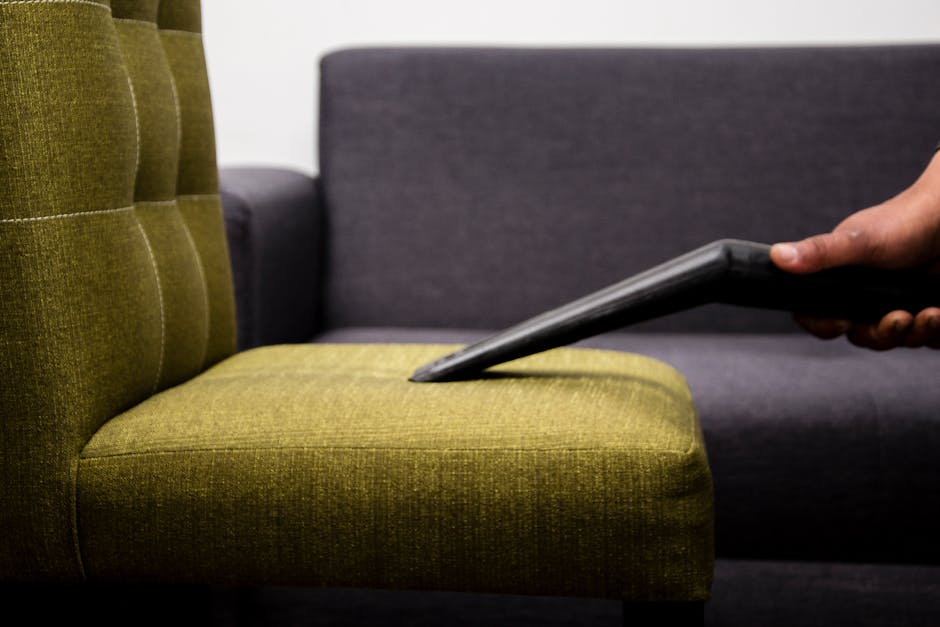
Use a vacuum with an upholstery attachment and work slowly. Pay attention to seams, piping, buttons, and the spaces between cushions. Dry grit acts like sandpaper, so removing it is not just about appearance. It protects the fibres.
3. Deal with fresh spills fast
Blot, do not rub. Use a clean white cloth or plain absorbent towel. Press gently and lift the liquid up. Rubbing pushes the spill deeper and can spread the mark. If the fabric allows moisture, use a minimal amount of suitable solution only after blotting.
4. Test any cleaning solution in a hidden spot
This is one of those small steps that saves a lot of regret. A back edge, underside, or concealed corner is usually best. Wait for it to dry before deciding the product is safe. A fabric can look fine when damp and then react badly later. Sneaky, but common.
5. Treat spots individually
Different stains need different handling. Food spills, oily marks, pet accidents, and ink-like transfer marks are not the same problem. A generic blast of product is rarely the answer. Apply the smallest effective amount and work from the outside of the mark inward.
6. Control moisture
Too much water is a classic mistake. It can cause tide marks, slow drying, odour, and backing issues. If you are cleaning at home, use sparingly. If a professional is cleaning, ask how they control moisture and drying time. Good operators should be able to explain it simply.
7. Speed up drying
Open windows if practical, use gentle airflow, and keep cushions spaced out. Do not sit on the furniture too soon. That is how you get compressed damp areas and, frankly, a bit of an unpleasant surprise when you sit down later.
8. Finish with a maintenance routine
Once dry, brush or groom the fabric if appropriate and vacuum again lightly. Then set a weekly habit so dirt does not build up in the same way next time. Maintenance is boring until it saves you money. Then it feels quite clever.
Expert Tips for Better Results
Here is where the useful little details really matter. These are the kinds of things that often separate a decent result from a proper one.
- Work on the whole panel, not just the stain: Spot-cleaning a tiny patch can leave a visible boundary.
- Use white cloths only: Coloured cloths can transfer dye, especially on damp fabric.
- Keep cleaning products mild unless the fabric needs more: Stronger is not automatically better.
- Lift cushions and clean both sides of hidden edges: Dirt gathers in less obvious places.
- Look for recurring marks: If a stain keeps returning, there may be residue below the surface.
- Check stitching and trims first: Decorative details can react differently to moisture.
- Be extra careful with velvet and textured weaves: These can change appearance if agitated too hard.
If you're ever unsure, stop. That sounds obvious, but people often keep going because they have already started. Better to pause than turn a small mark into a broad, faded patch. You can always escalate later.
For odour-related issues, especially in households with pets, it may help to look at pet stain odour removal guidance. Smell is often the clue that soil is still trapped deeper in the fabric.
Common Mistakes to Avoid
Most upholstery problems come from a few repeat offences. Nothing glamorous, just everyday missteps. The good news is they are all avoidable.
- Scrubbing hard: This can distort fibres, spread staining, and make the fabric look fuzzy.
- Using too much water: Oversaturation can damage padding and prolong drying time.
- Ignoring the fabric type: What works on one sofa may ruin another.
- Using random household cleaners: Bleach, harsh sprays, and scented all-purpose products can leave residue or discolouration.
- Skipping the vacuum: Dry soil should come off before any wet treatment.
- Cleaning only the visible mark: This often leaves a pale halo or dirty border.
- Sitting on the item too soon: Damp upholstery picks up new dirt easily and can get re-marked.
Another sneaky one: assuming every stain is fresh enough to lift easily. Some have already oxidised or bonded with the fibre. Once that happens, patience and the right method matter more than brute force. Annoying, but true.
Tools, Resources and Recommendations
You do not need a shed full of gadgets. A small, sensible kit usually does the job for routine care.
- Upholstery vacuum attachment: Essential for seams, creases, and cushion edges.
- Clean white microfibre cloths: Good for blotting and light surface work.
- Soft brush: Useful for loosening debris on suitable fabrics.
- Mild upholstery-safe cleaner: Always test first and follow the product instructions carefully.
- Fan or steady airflow: Helps drying without overheating the fabric.
- Gloves: Handy if you are dealing with strong odours or unfamiliar residues.
For some households, professional help is simply the better use of time. If you are comparing options, take a look at pricing and quotes so you can judge the service in a practical way rather than guessing. Price matters, but so does what is actually included.
You may also want to review insurance and safety information if you are booking a cleaner into your home. It is one of those boring-but-wise checks that makes the process feel much calmer.
And if you're weighing up broader home care, related services like rug cleaning or curtain cleaning often fit into the same seasonal refresh. Not always essential, but sometimes it makes sense to tackle the whole room while you're at it.
Law, Compliance, Standards, or Best Practice
For domestic upholstery cleaning, the main point is not complex legal compliance, but sensible best practice. A reputable cleaner should work safely, use appropriate products, and treat your property with care. If they are operating professionally, they should also have clear terms, fair complaints handling, and sensible privacy and payment practices.
From a homeowner's perspective, the best-practice checklist is simple:
- Ask what method will be used and why it suits your fabric.
- Make sure the cleaner can explain the risks of over-wetting, colour transfer, or shrinkage.
- Check that safety and insurance arrangements are in place before work starts.
- Keep care labels, purchase details, or fabric info to hand if you have them.
- Use clear written instructions if there are fragile areas or known problem spots.
If something goes wrong, it helps to know the business has a clear route for resolving concerns. You can also review the company's complaints procedure and terms and conditions before booking. That sort of prep sounds cautious, but honestly, it avoids a lot of awkwardness later.
Environmental care can matter too. If you prefer lower-impact housekeeping choices, have a look at the company's recycling and sustainability approach. It is not the first thing everyone asks about, but plenty of people do care once they stop and think about it.
Options, Methods, or Comparison Table
Choosing the right approach depends on the fabric, the level of soiling, and how quickly you need the furniture back in use. Here is a straightforward comparison.
| Method | Best for | Pros | Watch-outs |
|---|---|---|---|
| Routine vacuuming and spot care | Light daily dirt and fresh spills | Cheap, fast, good for maintenance | Won't remove deep grime or odours |
| DIY upholstery cleaning | Small marks on suitable fabrics | Useful between professional visits | Risk of over-wetting or fabric damage |
| Professional low-moisture cleaning | General refresh, moderate soil, mixed-use furniture | Controlled, efficient, often safer for delicate items | Results depend on fabric condition and stain age |
| Deep extraction cleaning | Heavier build-up and stronger odours | Strong soil removal when the fabric allows it | Drying time and fabric suitability need care |
To be fair, most homes benefit from a combination of approaches. The everyday stuff is handled by routine care, while a more thorough clean is reserved for the times the furniture has genuinely earned it. Which is usually sooner than people think.
Case Study or Real-World Example
A typical Cheam village scenario goes like this. A family has a pale fabric corner sofa in the main sitting room. It looks fine from a distance, but up close the seat cushions are patchy, one arm has a drink mark, and there is a faint smell that nobody can quite place. The household has tried wipes, a bit of soap, and some determined rubbing. Not ideal.
First, the sofa is vacuumed carefully, including under the cushions and along the piping. A discreet spot test is carried out on a hidden section. The cleaner then treats the greasy armrest with a fabric-appropriate solution and handles the drink mark separately rather than blasting both areas the same way. The goal is not just to remove the visible stain, but to restore the whole seating area so it looks even again.
After controlled cleaning and proper drying, the biggest change is not dramatic drama. It is subtle. The room smells fresher. The colour looks more consistent. The sofa no longer has that slightly tired feel. You sit down and notice it straight away, even if you can't quite put your finger on why. That is often what a good upholstery clean does best.
Practical Checklist
Use this quick checklist before you clean or book a professional visit.
- Check the fabric care label.
- Vacuum the entire item, including seams and cushion gaps.
- Identify the stain type if possible.
- Blot spills gently instead of rubbing.
- Test products on a hidden area first.
- Use the smallest effective amount of moisture.
- Allow full drying before heavy use.
- Inspect for colour change or residue after cleaning.
- Choose a method that suits the furniture, not just the stain.
- Ask questions if you are unsure about delicate fabrics.
Quick reminder: if your upholstery is valuable, antique, silk-blend, or unusually textured, caution beats enthusiasm every time.
Conclusion
Cheam village upholstery cleaning insider tips are really about common sense with a bit of fabric knowledge attached. Clean gently, test first, control moisture, and match the method to the material. Do that, and you will avoid most of the avoidable damage people complain about later.
Whether you are trying to rescue a stubborn mark, freshen a favourite sofa, or decide if it is time for professional help, the right approach is usually the calm one. Not the biggest spray, not the hardest scrub, just the smartest sequence. And that's often enough.
Get a free quote today and see how much you can save.
When upholstery is cared for properly, a room feels more settled, more comfortable, and a bit more like home. Simple as that.
Frequently Asked Questions
How often should upholstery be cleaned in a busy Cheam village home?
For everyday maintenance, vacuuming weekly is a good baseline. A deeper clean depends on use, fabric type, pets, and spills, but many households find annual or biannual professional cleaning sensible.
Can I clean fabric upholstery myself without damaging it?
Yes, if the fabric is suitable and you use a careful, low-moisture approach. Always check the care label, test first, and avoid harsh cleaners or aggressive scrubbing.
What is the biggest mistake people make with upholstery stains?
Rubbing. It pushes the stain deeper, roughs up the fibres, and often makes the mark spread. Blotting gently is usually the safer first move.
Why does my sofa get clean-looking at first and then show marks again?
That often happens when residue is left behind or the stain has wicked back up from deeper layers as the fabric dries. Proper extraction and even drying help reduce that problem.
Are steam cleaning and upholstery cleaning the same thing?
Not exactly. Upholstery cleaning is the broader service; steam is just one possible method. The right method depends on the fabric, so steam is not automatically the best choice.
What should I do immediately after a drink spill?
Blot with a clean white cloth, work from the outside in, and avoid adding too much water. If the fabric allows it, treat the area carefully once the excess liquid has been lifted.
How do I know if a fabric is too delicate for DIY cleaning?
If the label is missing, the material is textured or luxurious, or the furniture is valuable, it is safer to be cautious and consider professional advice. When in doubt, test a hidden area first.
Can pet odours be removed from upholstery?
Often yes, but it depends on how deeply the odour has penetrated. Surface cleaning may not be enough if liquid has soaked into the padding, which is why targeted treatment matters.
Will upholstery cleaning make my furniture dry quickly?
Drying time depends on the method used, airflow, room temperature, and fabric thickness. Good practice is to use controlled moisture and encourage ventilation afterwards.
Is professional upholstery cleaning worth it for older furniture?
Usually, yes, if the frame and fabric are still in decent condition. A careful clean can revive the appearance and make an older piece more pleasant to keep using.
What questions should I ask before booking a cleaner?
Ask how they treat your fabric type, how they handle stains and drying, whether they are insured, and what the price includes. Clear answers are a good sign.
Can upholstery cleaning help with allergies?
It may reduce dust, dander, and general build-up, which can help the environment feel fresher. It is not a medical treatment, but cleaner fabric often feels easier to live with.